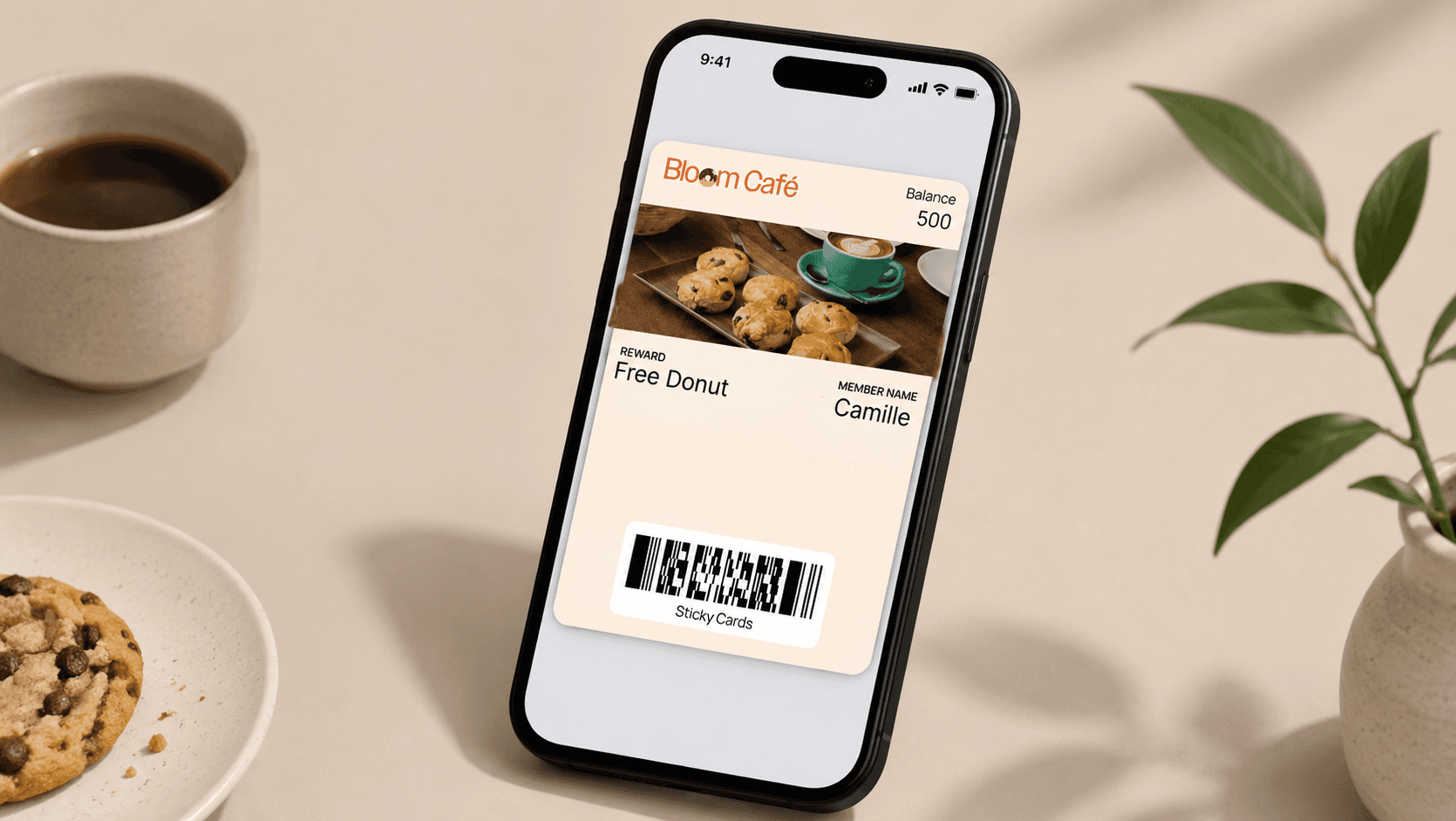
App downloads are dying. Wallet pass loyalty is replacing them. Here's why the smartest independent and multi-location restaurants are making the switch in 2026.
Reading time: ~5 minutes.
TL;DR
The average consumer has 80+ apps installed but actively uses fewer than 10 in any given week. Restaurant apps almost never make that cut.
Apple Wallet and Google Wallet are now installed on virtually every smartphone in the U.S. - and customers already use them daily for boarding passes, payment cards, and concert tickets.
Wallet pass loyalty programs typically see 3-5× higher opt-in rates than app-based programs because there's no download required.
Push notifications from wallet passes hit the lock screen with near-perfect delivery rates, bypassing the carrier filtering issues that plague SMS in restaurants doing alcohol-adjacent or late-night marketing.
Restaurants on wallet pass loyalty can launch in days, not months, with no app development cost and no app store approval delays.
The app problem nobody wants to talk about
Restaurant operators have spent the last decade being told they need an app. Branded apps, white-label apps, ordering apps, loyalty apps - every category had a vendor promising the same thing: download us, and your customers will come back more often.
The data tells a different story.
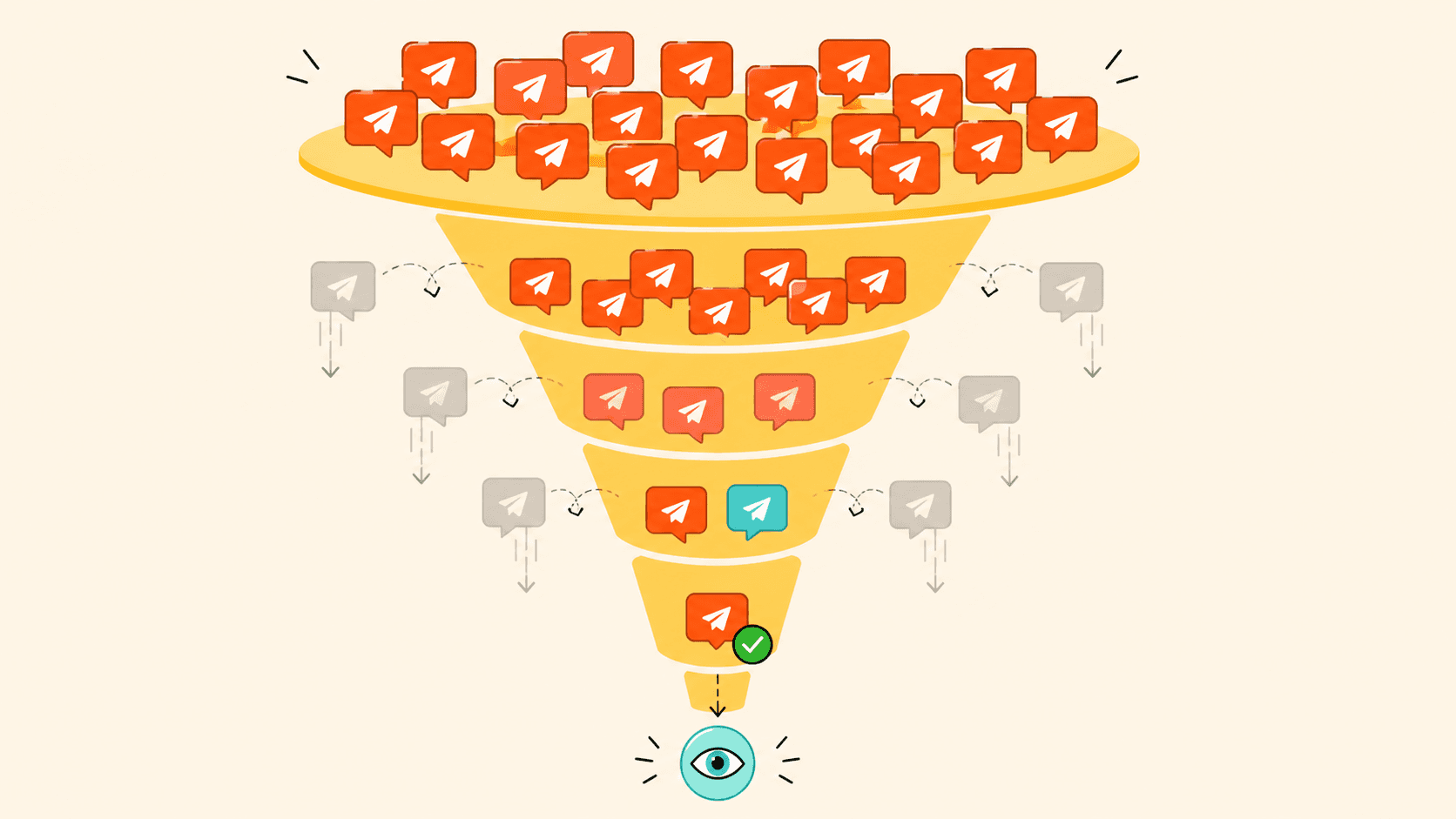
Most branded restaurant apps see less than a 15% download rate among customers who get prompted to install them. Of those who do download, more than half delete the app within 30 days. Of the ones who keep it, fewer than 20% open it monthly.
The funnel is brutal. By the time you do the math, a typical "successful" restaurant app reaches maybe 1-2% of total customer traffic with any consistency.
The reasons are well-understood at this point:
App downloads require effort. A customer has to find your app in the store, install it, create an account, verify an email, and grant permissions. Most won't.
Phones are already full of apps. The average iPhone has more than 80 apps installed. New apps are constantly competing with that backlog for screen-time and storage.
Customers shop at multiple restaurants. Nobody downloads a separate app for every coffee shop, taco spot, and dinner place they like. Wallet pass loyalty works for the same reason Apple Pay works - it consolidates dozens of accounts into one place customers already check.
The restaurants that have stopped pretending the app strategy works are saving meaningful budget and seeing better loyalty engagement than they ever did with an app.
What Apple Wallet (and Google Wallet) loyalty actually is
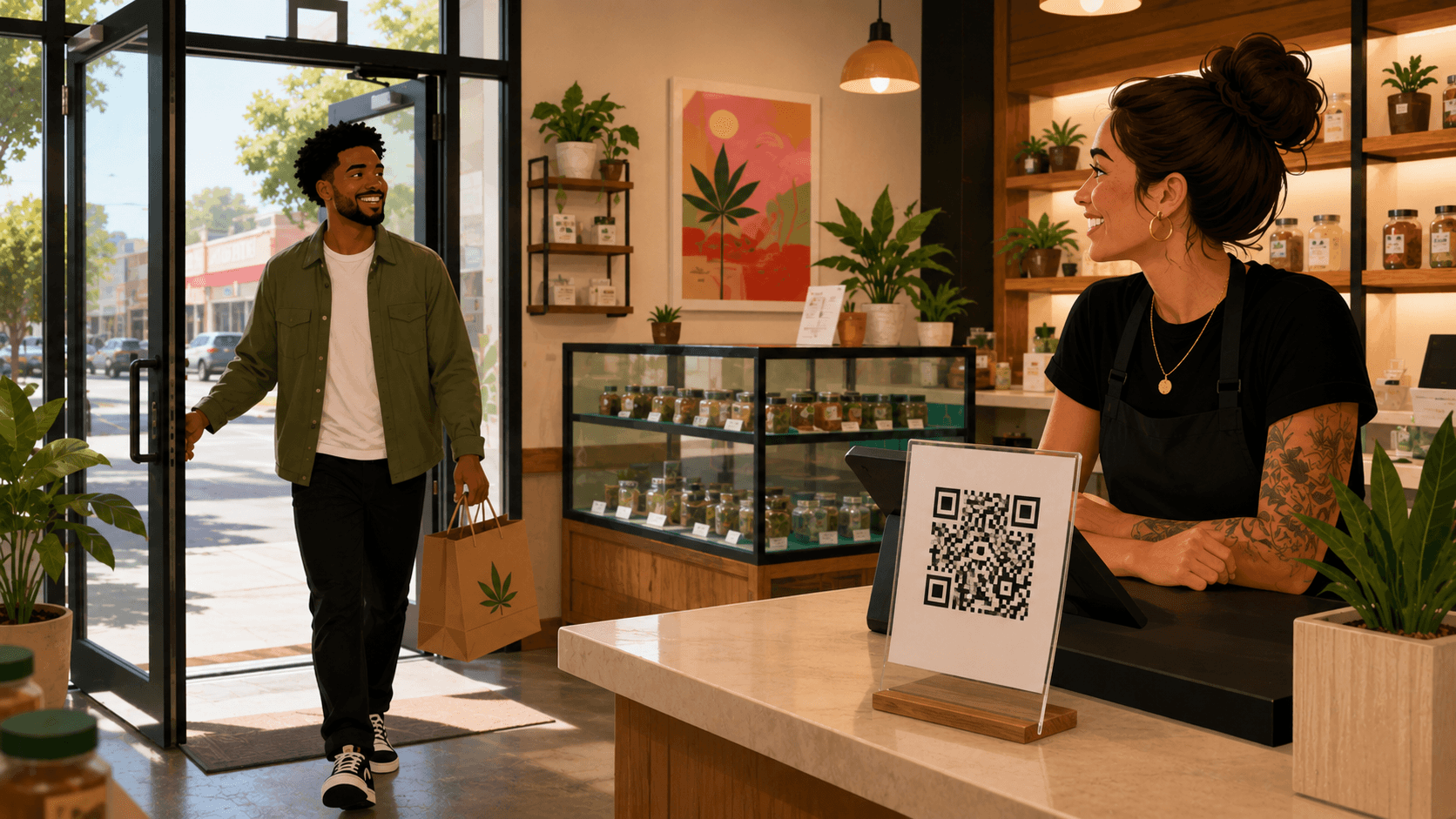
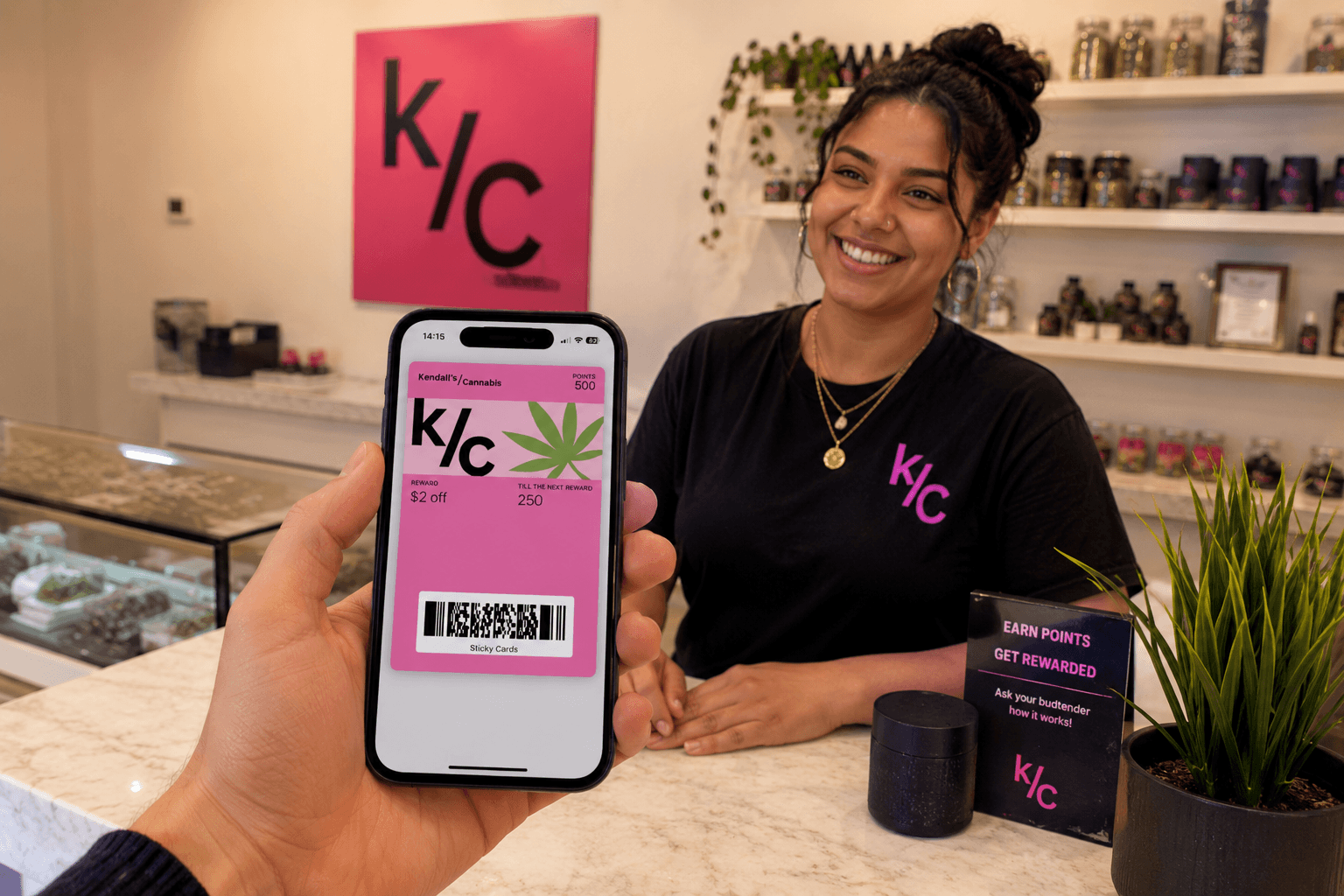
A wallet pass is a digital loyalty card that lives inside your customer's Apple Wallet or Google Wallet - right next to their payment cards, boarding passes, and concert tickets. There's no app to download. There's no account to create. Customers join by scanning a QR code at your counter, on your receipt, or in an email, and the loyalty card appears in their wallet in under ten seconds.
Once it's there:
The card updates in real time with their points, stamps, or tier status
You can send push notifications directly to their lock screen
They can pull it up at the register with a single tap
It never gets deleted in a phone cleanup, because it lives alongside their boarding passes and credit cards
This is the same technology that powers Starbucks-style loyalty experiences, but without the requirement that customers download a dedicated app. For most restaurants - especially independent operators and growing multi-location brands - that distinction is everything.
The five reasons restaurants are switching in 2026
1. Sign-up friction is the whole game
The single biggest predictor of loyalty program success is opt-in rate. Every percentage point matters because everything else: visits, spend, retention - flows downstream from how many customers actually joined.
App-based loyalty programs lose customers at every step of the funnel: the app store visit, the download, the account creation, the email verification. By the time a customer is actually enrolled, you've lost two-thirds of the people who said "yes" at the counter.
Wallet pass loyalty collapses the entire flow into one action. Customer scans a QR code → taps "Add to Wallet" → they're enrolled. Total time: about eight seconds. No account. No email verification. No app store visit.
Sticky Cards was built around this exact insight, with restaurant-specific loyalty workflows designed to make enrollment frictionless at the host stand, the register, or on the table tent.
2. The push notification math is dramatically better
Restaurants face the same channel problem dispensaries do: SMS is getting harder, and email open rates are flatlining.
SMS marketing has gotten meaningfully more expensive and less reliable since 10DLC enforcement rolled out across U.S. wireless carriers. Per-message fees stack up. Carriers filter messages they consider spammy. Even fully compliant restaurants lose a chunk of every send to filtering they can't control.
Wallet pass push notifications skip the carrier networks entirely. They're sent through Apple's and Google's notification systems directly to the customer's lock screen, which means they don't get filtered, they don't cost per-message, and they don't require 10DLC registration.
For a restaurant sending two campaigns a week to 5,000 customers, the difference between SMS economics and wallet push economics adds up to thousands of dollars a year, and the wallet push is more likely to be seen.
3. The card lives where customers already look
This is the subtle thing app strategists miss. Apps live on the home screen, where they compete for attention against 80 other apps. Wallet passes live in the wallet, where they're surrounded by the customer's payment cards, boarding passes, and IDs - the apps customers actually open every day.
When a customer pays for dinner with Apple Pay, your loyalty card is sitting right next to the card they just paid with. That proximity matters. It makes the loyalty card feel like part of the transaction rather than a separate marketing program.
4. You can launch in days, not months
Building a custom restaurant app is a six-month minimum project. Design, development, App Store review, Google Play approval, security audits, ongoing maintenance, version updates, OS compatibility patches, app store optimization - the list goes on. Most independent restaurants don't have the time or budget. Most multi-location operators don't have the engineering bandwidth.
A wallet pass loyalty program is a configuration project, not a development project. You design your card, configure your points or stamps structure, set up your push notification cadence, and you're live. Most Sticky Cards restaurant launches happen in under a week.
5. The ROI shows up faster
When the enrollment flow is fast, the opt-in rate goes up. When the opt-in rate goes up, you're reaching more customers with every campaign. When you're reaching more customers with reliable push notifications instead of filtered SMS, your campaign engagement goes up too.
The compounding effect is significant: a restaurant that moves from an app or SMS-only loyalty program to a wallet pass program typically sees its addressable loyalty audience expand by 3-5× within the first 90 days. That's not a small lift. That's the difference between "loyalty is a nice-to-have" and "loyalty is our most important marketing channel."
Real-world example: how restaurants are using wallet pass loyalty
Sticky Cards already powers loyalty programs for restaurants ranging from fast-casual to full-service. Bombay Frankies, one of the featured customer stories, uses wallet pass loyalty to drive repeat visits without the cost of building or maintaining an app.
Typical use cases for restaurants on wallet pass loyalty:
Stamps cards for quick-service: "Buy 9 burritos, get the 10th free" - the digital version of the punch card, but with push notifications.
Points programs for full-service: Customers earn points per dollar spent, redeemable for menu items or experiences.
VIP tier programs for multi-location brands: Bronze, Silver, Gold tiers that unlock priority seating, early reservations, or exclusive menus.
Time-of-day promotions: Push notifications sent during slow lunch hours or right before dinner to drive incremental traffic.
Geo-targeted promotions: Push notifications triggered when a customer is within walking distance of a location.
The same wallet pass infrastructure can support all of these. Restaurants choose the loyalty mechanic that fits their concept, and the technology underneath stays the same.
How to decide if wallet pass loyalty is right for your restaurant
A simple decision framework:
You have an app you're not happy with. Wallet pass loyalty is almost always the right replacement.
You're planning to build an app for loyalty purposes. Don't. Build wallet pass first, validate that loyalty works for your concept, and revisit the app question only if you have a clear use case beyond loyalty (delivery, reservations, etc.).
You're running a punch-card or SMS-only program. Wallet pass is a clear upgrade in both customer experience and economics.
You have multiple locations and inconsistent loyalty across them. Wallet pass centralizes loyalty across every location with no per-location app development.
You're operating in a category with marketing restrictions (alcohol-forward concepts, late-night, anything where SMS deliverability is shaky). Wallet pass is structurally better positioned than SMS in any restricted-content category.
Frequently Asked Questions
Do customers need an app to use wallet pass loyalty?
No. Wallet pass loyalty works inside Apple Wallet and Google Wallet, both of which are pre-installed on every iPhone and most Android phones. Customers don't download anything - they scan a QR code, tap "Add to Wallet," and they're enrolled.
Will wallet pass loyalty work for both iPhone and Android customers?
Yes. Apple Wallet handles iPhone users, Google Wallet handles Android users, and the same loyalty card can be issued to both. Modern wallet pass platforms like Sticky Cards handle both automatically.
Can a restaurant send push notifications without an app?
Yes. Wallet passes support push notifications directly to the customer's lock screen. There's no app required, no carrier involvement, and no per-message fee in the way SMS marketing works.
How long does it take to launch wallet pass loyalty for a restaurant?
Most restaurants launch on Sticky Cards within a few days to a week. Design and configuration are configuration tasks, not development tasks. Compare that to a six-month app build.
How does wallet pass loyalty integrate with a restaurant POS?
Sticky Cards integrates with major POS systems used in restaurants, including Shopify, Klaviyo, and others. The integration pulls customer purchase data, syncs loyalty points or stamps, and powers automated campaigns. See the full integration list for details.
What does wallet pass loyalty cost compared to building an app?
Wallet pass loyalty is dramatically cheaper than building and maintaining a custom app. A typical Sticky Cards subscription starts at a small monthly fee and includes the platform, integrations, and unlimited push notifications. A custom restaurant app typically costs $50,000-$200,000+ to build and similar to maintain annually.
Is wallet pass loyalty compliant with TCPA, CAN-SPAM, and other regulations?
Wallet pass push notifications operate outside the SMS regulatory frameworks that TCPA and 10DLC govern. As long as customers explicitly opt in at enrollment - which Sticky Cards handles by default - the program is fully compliant. Any associated SMS communications must still follow TCPA rules.